


MSc Forensic Psychology
Immerse yourself in the only MSc programme that offers an entire module on offender cognition, explore relapse prevention, sex offenders with learning disabilities and the socio-demographic and psychological factors that lead to behaviours in some individuals and not others. This course is accredited by The British Psychological Society (BPS) and satisfies the academic component of professional training required to become a chartered forensic psychologist.
Reasons to study MSc Forensic Psychology at Kent
Become part of Kent's Centre of Research and Education in Forensic Psychology (CORE-FP) alongside a large team of internationally-renowned experts who are involved in major journals and assess and treat individuals who have offended
Our module on the assessment and treatment of offenders is taught by practitioners who work with offenders every day
Visit secure forensic establishments to broaden your experience and talk with staff who are chartered
Test out your own theories and hypotheses in our excellent facilities, including brain stimulation and virtual reality laboratories
Benefit from a dedicated MSc common room, equip with computers up to date with the software you will require
Over 80% of our Psychology research was classified as ‘world-leading’ or ‘internationally excellent’ for environment and publications in Research Excellence Framework (REF) 2021
Recognition by the UK Economic and Social Research Council (ESRC) as meeting the nationally recognised criteria for preparation training for PhD research
Discover your future in a subject ranked 16th in the UK for graduate prospects in The Complete University Guide 2022. Our recent graduates have started their own businesses, researched in the civil service and become practising Psychologists
5 reasons to choose the MSc in Forensic Psychology at Kent
What you’ll learn
Build on existing knowledge, abilities and skills by developing both in basic and advanced contemporary statistical and methodological issues in psychology. This degree will prepare you for doctoral study, an academic career or a job in the NHS as a psychologist.
About the School of Psychology
As a student within the School of Psychology at Kent, you benefit from our supportive, dynamic and diverse environment for creative research and learning.
All of our taught Master’s (MSc) programmes have been recognised by the UK Economic and Social Research Council (ESRC) as meeting the nationally recognised criteria for preparation training for PhD research.
Conducting both basic and applied research in several areas, Psychology at Kent is highly regarded as a leading European centre for postgraduate research. Our long-established international reputation in social psychology is complemented by our strengths in cognitive, developmental and forensic psychology. We attract excellent visiting scholars and postgraduate students from both within the UK and overseas.
Some of our PhD students are self-funded, and others are funded by grants or awards either from the School, UK or their countries of origin. Some are also paid to undertake part-time teaching within the School. We have a strong track record of attracting ESRC research studentship funding, which involves partnerships with external organisations such as Age UK and the Equality and Human Rights Commission and collaborative studentships with partners such as People United.
Campus Information
Canterbury
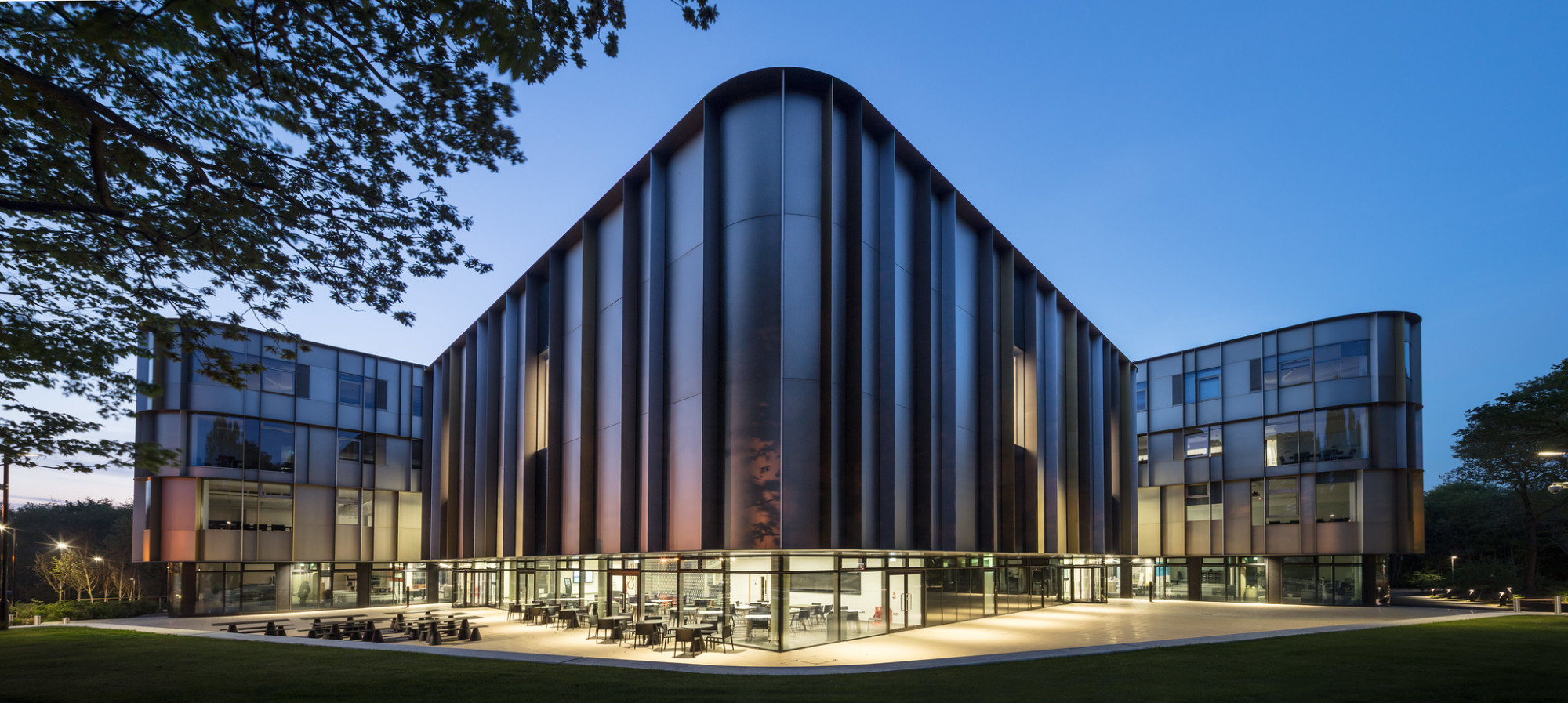
Our campus is surrounded by beautiful woodlands and overlooks the charming city of Canterbury. We have excellent transport links on campus or you can stroll into town on foot.
Intakes
- Jan
- Sep
Application Processing Time in Days: 30
Minimum English Language Requirements
| English Level Description | IELTS (1.0 -9.0) | TOEFL IBT (0-120) | TOEFL CBT (0-300) | PTE (10-90) | |
|---|---|---|---|---|---|
| Expert | 9 | 120 | 297-300 | 86-90 | |
| Very Good | 8.5 | 115-119 | 280-293 | 83-86 | |
| Very Good | 8 | 110-114 | 270-280 | 79-83 | |
| Good | 7.5 | 102-109 | 253-267 | 73-79 | |
| Good | 7 | 94-101 | 240-253 | 65-73 | |
| Competent | 6.5 | 79-93 | 213-233 | 58-65 | |
| Competent | 6 | 60-78 | 170-210 | 50-58 | |
| Modest | 5.5 | 46-59 | 133-210 | 43-50 | |
| Modest | 5 | 35-45 | 107-133 | 36-43 | |
| Limited | 4 | 32-34 | 97-103 | 30-36 | |
| Extremely Limited | < 4 | < 31 | < 93 | < 30 |
Job Opportunity Potential
In these appointments, you will have up to 45 minutes to talk to a careers adviser about whatever career-related topic is important to you. Topics of conversation could include:
- I have no idea what I want to do after I graduate, what are my options?
- What jobs can I get with my degree?
- How do my skills fit in the labour market?
- I’m interested in taking a gap year after I graduate and I want to plan something employers will value.
- I’m thinking of leaving/changing my course and want to talk through the pros and cons.
- I’m interested in doing a masters or PhD, what are my options?
- I’m not sure how to disclose sensitive information to an employer.
A guidance interview is:
Impartial
A careers adviser will not recommend one route to you over another. They are there to help you explore the options objectively.
Challenging
Careers advisers may question your goals and help you to look at the disadvantages as well as the advantages. This is not to put you off, but to help ensure you have thought it through.
Supportive
The meetings are very informal and relaxed. Careers advisers are there to help you discuss things in a safe environment.
Part of a process
Career choice is a process not an event. A guidance interview is a good starting point but you will need to do further research and continuously update your action plan.
PSW Opportunity
- 2 Years PSW is applicable after completing a minimum duration of 9 months course (like- Undergraduate, Postgraduate Level)
- 3 Years PSW is applicable after completing PhD level courses.
Admission Requirement / Eligibility Criteria
For entry to a Kent postgraduate degree programme (Master’s), Indian students typically need to have completed a three or four-year undergraduate degree (Honours Bachelor degree or Professional degree) at an accredited university or college. General Bachelor degrees may sometimes be considered. Exact requirements will depend on the postgraduate degree you are applying for and the institution you have studied at.
For programmes that require a 2:1 we usually ask for a First Class degree, a final CGPA of 6.0/10, or 60%. Students from top institutions may be considered with a high Second Class degree, a final CGPA of 5.5/10, or 55%.
For programmes that require a 2:2 we usually ask for a high Second Class degree, a final CGPA of 5.5/10, or 55%
Some, but not all, postgraduate programmes require your undergraduate degree to have a related major. Some postgraduate programmes may require work experience in a relevant field or at a certain level.
General postgraduate programmes
IELTS (including IELTS Indicator)
6.5 overall (with a minimum of 6.0 in R&W; 5.5 in S&L)
PTE Academic
62 overall with 60 in each subtest
CAE/CPE
176 overall (with a minimum of 169 in R&W; 162 in S&L)
TOEFL iBT
90 overall (with a minimum of 22 in R; 21 in W; 17 in L; 20 in S)
- Course Type: Full Time
- Course Level: Masters/PG Degree
- Duration: 01 Year
-
Total Tuition Fee:
22700 GBP
Average Cost of Living: 13632 GBP /year
Application Fee: N/A
Similar Programs
- MSc Healthcare Management with Industrial Placement at University of Kent
- MSc Data Science with an Industrial Placement at University of Kent
- MSc Data Science at University of Kent
- MSc Conservation Science at University of Kent
- MSc Computer Science with an Industrial Placement at University of Kent
- MSc Computer Science (Cyber Security) with an Industrial Placement at University of Kent