



Postgraduate Diploma in Science - Medical Physics
Medical Physics applies the concepts and methods of physics to the diagnosis and treatment of human disease.
Modern medicine relies heavily on many physical tools, techniques, and principles which have been developed in the physical sciences. The complexity and precision required in the operation of modern-day diagnostic and therapeutic equipment, and the quest to constantly improve medical technology, has led to the subspecialty of Medical Physics.
A medical physicist applies scientific knowledge and technological skills to help prevent, diagnose, and treat many types of disease and health conditions. They are a mix of research and clinical scientists who play a pivotal role in providing physics support to various areas of the health sector to achieve better outcomes for patients. They also ensure the safety of staff and patients exposed to radiation.
A medical physicist is typically a member of multidisciplinary team and may be involved in several activities relating to diagnosis and/or treatment in radiology, nuclear medicine, or radiation therapy.
Please note that UC offers both a clinical and a non-clinical option for Medical Physics. The clinical option is only chosen by students who are currently employed at an Aotearoa New Zealand District Health Board. The two options have an identical course structure and lead equally to potential clinical employment.
Campus Information
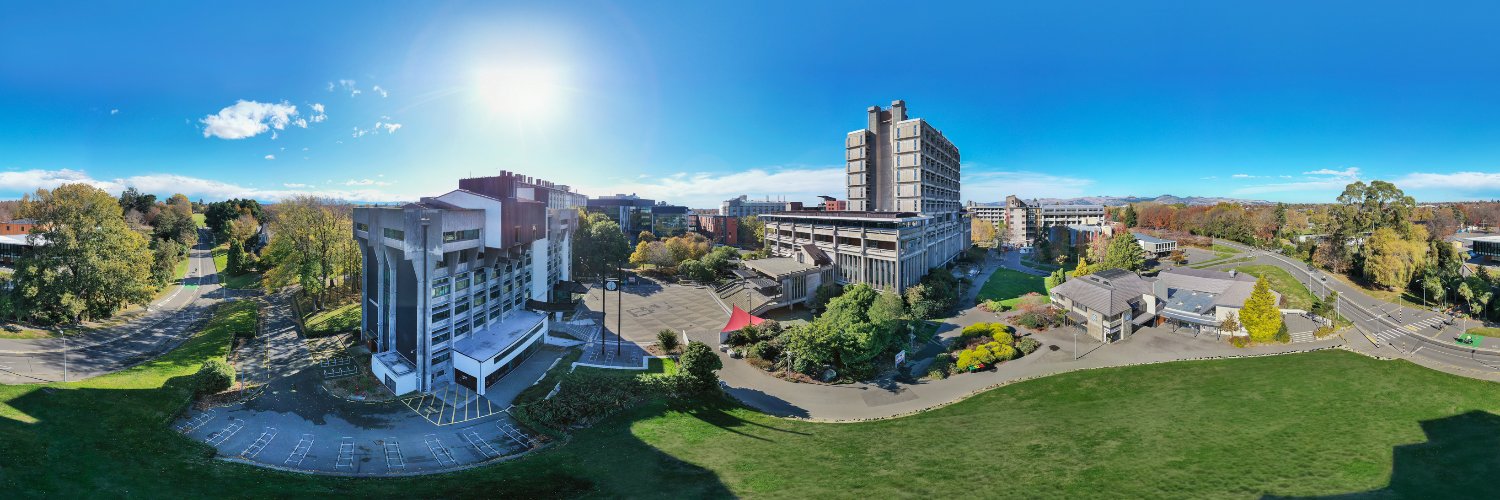
Ilam Campus
UC is based on the main Ilam campus in Christchurch, but we also have a number of other locations. These include Dovedale campus, Arts Centre, Nelson campus, and our field stations
Intakes
- Feb
- July
Application Processing Time in Days: 20
Minimum English Language Requirements
| English Level Description | IELTS (1.0 -9.0) | TOEFL IBT (0-120) | TOEFL CBT (0-300) | PTE (10-90) | |
|---|---|---|---|---|---|
| Expert | 9 | 120 | 297-300 | 86-90 | |
| Very Good | 8.5 | 115-119 | 280-293 | 83-86 | |
| Very Good | 8 | 110-114 | 270-280 | 79-83 | |
| Good | 7.5 | 102-109 | 253-267 | 73-79 | |
| Good | 7 | 94-101 | 240-253 | 65-73 | |
| Competent | 6.5 | 79-93 | 213-233 | 58-65 | |
| Competent | 6 | 60-78 | 170-210 | 50-58 | |
| Modest | 5.5 | 46-59 | 133-210 | 43-50 | |
| Modest | 5 | 35-45 | 107-133 | 36-43 | |
| Limited | 4 | 32-34 | 97-103 | 30-36 | |
| Extremely Limited | < 4 | < 31 | < 93 | < 30 |
Job Opportunity Potential
All courses offer work-related experience (WRE) as part of your course. They're designed to prepare you for work in industries related to your studies.
Finding work experience shouldn't be difficult when you're a student at Canterbury Christ Church University. With strong connections across different industries, we provide a variety of different WRE opportunities. These can include:
mini or short-term placements
live projects
industry-set briefs
research.
You'll also be able to benefit from employability sessions as part of your course. These range from guest lectures, alumni visits, careers fairs, and location-based field trips.
There are plenty of other opportunities to gain valuable and relevant work experience outside your degree. Many of our teaching staff have strong connections with businesses and organisations, offering the possibility of gaining further work experience, internships, or placements.
You may even be eligible for some financial support via our Career Development Fund. Reaching your career goals should always be a possibility, so we ensure that you can do this regardless of your income. This fund can help you gain invaluable work experience without worrying about the cost. This can cover:
travel expenses
purchasing suitable workwear
ad-hoc childcare for the time you're working
specialist software needed to fulfil the role.
PSW Opportunity
- During study, all students on a student visa can work up to 20 hours per week during semester and full time during vacations.
- After completing Level 7 Bachelor’s Degree or Higher Qualification, a student will get a three years open post-study work visa.
- After completing Level 8 Post Graduate courses of 1 year, students get 1 year PSW.
Admission Requirement / Eligibility Criteria
Academic entry requirements
The academic entry requirements for admission to this qualification are:
- A qualification is equivalent to a New Zealand university bachelor's degree with a minimum overall grade comparable to a B grade at UC and in a relevant subject area.
CAE or CPE
Score of 176 with a minimum of 169 in reading, writing, listening and speaking.
CCEL EAP
Level 2 with a minimum B+ grade.
FluentIQ
Overall mark of 8/10 with nothing less than a 7 being scored in a single category.
IELTS Academic
An average score of 6.5, with a minimum of 6.0 in reading, writing, listening and speaking.
ISE
ISE III with a pass in all 4 components.
LanguageCert
C1 Expert IESOL (LRWS) with HIGH PASS.
NZAPA
English New Zealand Accredited Pathway Assessment Level 3 (with no skill lower than Level 2).
NZCEL
Level 5.
Pearson Test of English (Academic)
PTE with an overall score of 58 and no PTE communicative skills score below 50.
TOEFL iBT
Total minimum score of 90, minimum score of 19 in reading, writing and listening. Please note UC only accepts TOEFL iBT scores from a single test date, not MyBest scores.
- Course Type: Full Time
- Course Level: Post Graduate Diploma or Certificate
- Duration: 01 Year
-
Total Tuition Fee:
42200 NZD
Average Cost of Living: 20000 NZD /year
Application Fee: N/A
Similar Programs
- Postgraduate Diploma in Geospatial Data Science at University of Canterbury
- Postgraduate Certificate in Geospatial Data Science at University of Canterbury
- Postgraduate Certificate in Science - Industrial and Organisational Psychology at University of Canterbury
- Postgraduate Diploma in Science - Statistics at University of Canterbury
- Postgraduate Diploma in Science - Psychology at University of Canterbury
- Postgraduate Diploma in Science - Physics at University of Canterbury