


Master of Marine Conservation
The Master of Marine Conservation focuses on finding solutions to complex issues that characterise the management and conservation of the marine environment.
The number and size of marine protected areas (MPAs) are increasing in response to intensifying pressures on our oceans and the need to provide more robust guardianship of marine ecosystems. Protected by law, MPAs require skilled scientists and environmental managers from diverse backgrounds to advocate for, design, monitor and protect them.
The MMarineCons is developed and taught in partnership with Conservation International (CI) and provides essential skills for people looking for careers in MPA
research and management, and marine conservation more generally.
If you are already working in this exciting field, or you want make an impact in the marine conservation world, the MMarineCons will give you the opportunity to upskill, improve knowledge, and gain research experience. The programme also provides learning and hands-on experience in policy and strategic management and will benefit graduates from other disciplines wanting to work in this field.
Campus Information
City Campus
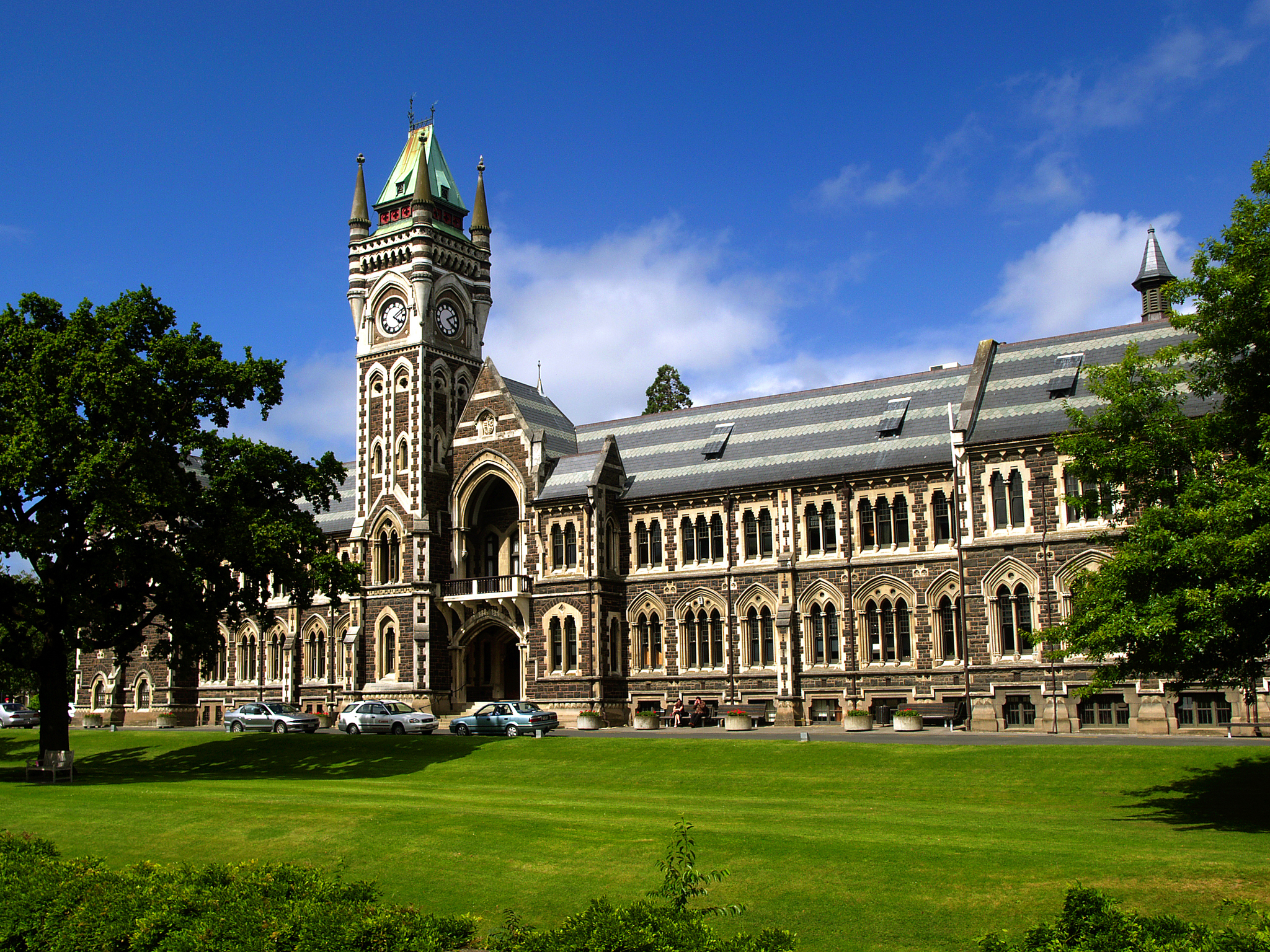
The City Campus is right in the heart of Auckland. You are within walking distance of all the main cultural, entertainment and commercial hubs.
Intakes
- March Deadline: Dec
- July Deadline: July
Application Processing Time in Days: 30
Application Process
Minimum English Language Requirements
| English Level Description | IELTS (1.0 -9.0) | TOEFL IBT (0-120) | TOEFL CBT (0-300) | PTE (10-90) | |
|---|---|---|---|---|---|
| Expert | 9 | 120 | 297-300 | 86-90 | |
| Very Good | 8.5 | 115-119 | 280-293 | 83-86 | |
| Very Good | 8 | 110-114 | 270-280 | 79-83 | |
| Good | 7.5 | 102-109 | 253-267 | 73-79 | |
| Good | 7 | 94-101 | 240-253 | 65-73 | |
| Competent | 6.5 | 79-93 | 213-233 | 58-65 | |
| Competent | 6 | 60-78 | 170-210 | 50-58 | |
| Modest | 5.5 | 46-59 | 133-210 | 43-50 | |
| Modest | 5 | 35-45 | 107-133 | 36-43 | |
| Limited | 4 | 32-34 | 97-103 | 30-36 | |
| Extremely Limited | < 4 | < 31 | < 93 | < 30 |
Job Opportunity Potential
Graduates of the MMarineCons will have a unique set of technical and practical skills that enable you to be highly competitive in the professional world of marine conservation. Links between policy, management, and pure science are creating new job opportunities in this exciting field of work.
Jobs related to this program
- Marine conservation manager
- Project manager
- Scientist
PSW Opportunity
- During study, all students on a student visa can work up to 20 hours per week during semester and full time during vacations.
- After completing Level 7 Bachelor’s Degree or Higher Qualification, a student will get a three years open post-study work visa.
- After completing Level 8 Post Graduate courses of 1 year, students get 1 year PSW.
Admission Requirement / Eligibility Criteria
You must have completed either:
- A Bachelor of Science degree from this university, with a GPE of 4.0 or higher in 75 points above Stage II. Including at least 45 points in a relevant subject such as Environmental Management, Environmental Science, Biology, BioScience, Marine Science or similar.
OR - An undergraduate degree with a GPE of 4.0 or higher in 75 points above Stage II, and at least three-years of relevant professional experience.
OR - An undergraduate degree in the same field as your intended specialisation at a recognised university (or similar institution) with a GPE of 4.0 or higher.
For More Information Pls Contact To Our PSA Counselor.
- Course Type: Full Time
- Course Level: Masters/PG Degree
- Duration: 01 Year 06 Month
-
Total Tuition Fee:
76215 NZD
Average Cost of Living: 20000 NZD /year
Application Fee: N/A
Similar Programs
- Master of Artificial Intelligence at University of Auckland
- Master of Mathematical Modelling at University of Auckland
- Master of Biotechnology at University of Auckland
- Master of Environmental Management at University of Auckland
- Master of Physiotherapy Practice at University of Auckland
- Master of Food Science at University of Auckland